
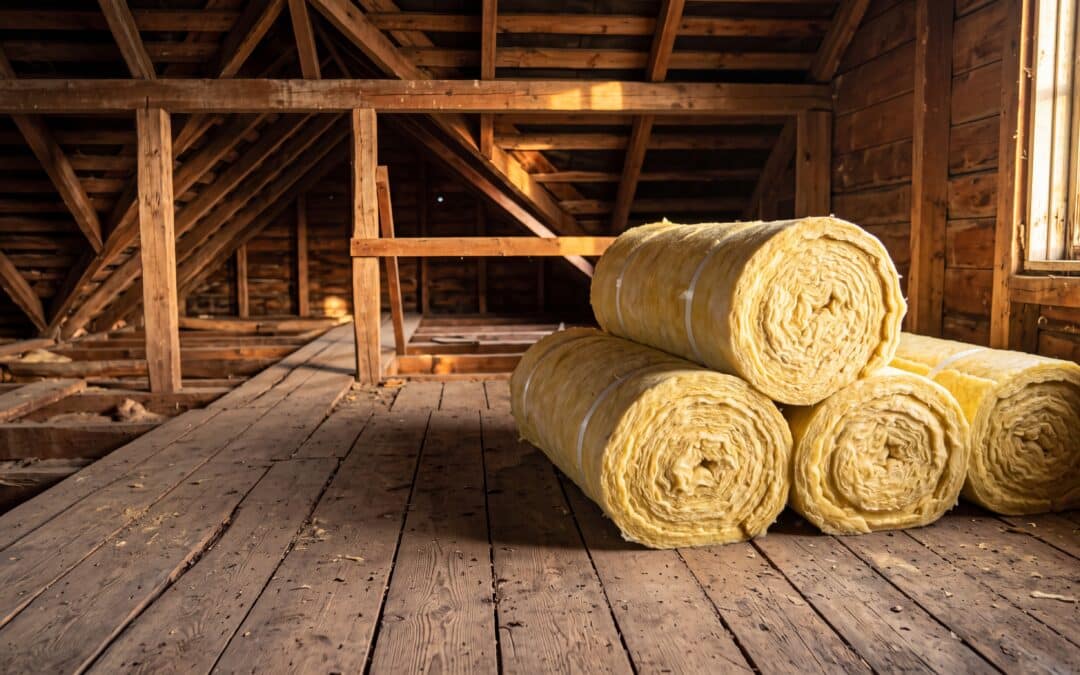
As the UK progresses towards its ambitious net-zero carbon emissions target by 2050, improving domestic energy efficiency remains a paramount priority. For homeowners and tenants alike, managing rising energy tariffs has highlighted the critical importance of thermal efficiency. Fortunately, the government has sustained and expanded various funding mechanisms, making eco grants available to eligible households. In 2026, securing home insulation grants represents one of the most effective strategies to curtail energy consumption, lower utility bills, and minimize your carbon footprint.
The ECO4 Scheme and Home Upgrade Grants
The primary vehicle for delivering domestic energy efficiency improvements is the Energy Company Obligation (ECO4) scheme. This utility-funded initiative obligates major energy suppliers to finance energy-saving measures in vulnerable and low-income households. Alongside this, the Home Upgrade Grant (HUG) provides substantial support, particularly for properties that are not connected to the mains gas grid.
By utilizing these frameworks, you can maximize your home’s efficiency with government home upgrade grants. These funding pools cover the installation of high-performance loft, cavity wall, and solid wall insulation, directly addressing the areas where domestic properties lose the majority of their heat.
Understanding Eligibility for Home Insulation Grants
Securing funding requires meeting specific qualifying criteria, which are designed to support those who need it most. Generally, eligibility for home insulation grants is determined by a combination of the following factors:
- The Energy Performance Certificate (EPC) rating of your property, typically requiring a rating of D, E, F, or G.
- Household income thresholds or the receipt of qualifying government benefits, such as Universal Credit, Pension Credit, or Child Benefit (subject to income limits).
- Local Authority Flexibility (LA Flex) routes, which allow councils to nominate households that do not receive benefits but are otherwise vulnerable to fuel poverty.
Crucially, the ECO4 scheme operates on a “whole-house” philosophy. Rather than offering isolated upgrades, assessors evaluate your entire property to install a comprehensive package of measures, ensuring that insulation works in harmony with your heating systems.
Synergy Between Insulation and Heating Upgrades
Insulation is only one half of the energy efficiency equation; upgrading your heating infrastructure is equally vital. Under the ECO4 framework, qualifying households can often pair insulation with heating upgrades, such as the boiler upgrade scheme. This integrated approach ensures that heat generated within the home is retained efficiently, preventing thermal waste and optimizing energy use.
Localized Support Across Essex and London
These combined grants are highly localized, with specific funding allocations managed across different regions. Residents in Essex and surrounding outer London boroughs can access tailored support through regional initiatives. Excellent funding channels exist for qualifying homes in areas such as Ilford, Barking, Loughton, Buckhurst Hill, and Newbury Park.
How to Apply and Capitalize on Funding
To access these grants, homeowners must undergo a professional property assessment. Registered installers will verify your eligibility, conduct a comprehensive technical survey of your home, and recommend the optimal combination of insulation and heating measures. Because funding is capped and subject to strict compliance standards, initiating your application early is highly recommended to secure your allocation and protect your home against the elements.
