
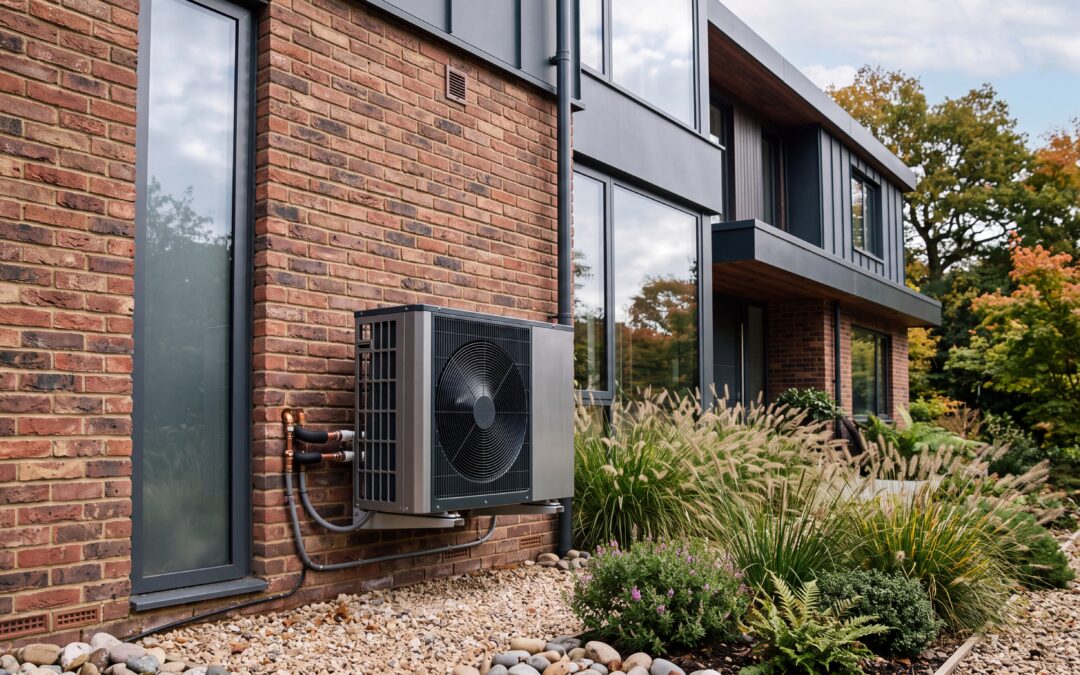
The domestic and commercial heating sectors in the United Kingdom are undergoing a rapid evolution. As the nation intensifies its trajectory towards its statutory net-zero targets, the reliance on traditional fossil-fuel boilers is being systematically phased out. Replacing these legacy systems with low-carbon heating solutions has transitioned from an environmental aspiration to a regulatory and financial necessity. Navigating the available capital subsidies and regional grants in 2026 is critical for property owners seeking to mitigate rising energy costs whilst future-proofing their buildings.
The 2026 Funding Landscape for Low-Carbon Heating
The strategic deployment of financial support in 2026 has brought both clarity and structural change to the decarbonization sector. While headlines often highlight the macroeconomic debates surrounding national infrastructure budgets, targeted public funding for energy efficiency remains robust. For homeowners, landlords, and municipal developers, understanding the distinction between domestic incentives and wider infrastructure initiatives is crucial. For an in-depth analysis of these national budgetary adjustments and their regional implications, consult our comprehensive guide on climate-friendly heating in 2026.
Central to the current funding model is the dual focus on heat network expansions and individual property retrofits. Rather than relying on a single, uniform grant system, the government has diversified its approach. This ensures that urban developments can integrate into district heating schemes, whilst rural and suburban properties are capitalized to transition directly to standalone electrified systems.
Leveraging ECO4 Grants in London and Essex
For qualifying residential properties, the Energy Company Obligation (ECO4) scheme continues to represent the most accessible mechanism for installing low-carbon heating. This scheme places a legal obligation on major energy suppliers to fund energy-efficiency measures in domestic households, with a particular focus on low-income, vulnerable, and fuel-poor communities. In London and Essex, this framework is being actively utilized to replace highly inefficient gas and oil boilers with modern thermodynamic technology.
By securing an ECO4 grant, eligible residents can significantly offset, or entirely cover, the capital cost of installing air-source or ground-source heat pumps. These systems operate at exceptionally high seasonal performance factors, delivering substantial thermal output for minimal electrical input. Property owners interested in evaluating their eligibility and understanding the practical steps of this transition can explore our specialized resource on heat pumps in London and Essex.
Technological Advancements and Engineering Standards
Securing capital funding is only the preliminary phase of a successful transition to low-carbon heating. The long-term operational efficiency of these installations relies heavily on precise system design and skilled engineering. Legacy building stock in the UK often requires thermal upgrades—such as improved insulation and double glazing—alongside heating system overhauls to ensure heat pumps operate at peak efficiency.
Furthermore, digital innovation is playing an increasingly vital role in accelerating this transition. Modern diagnostic tools, thermal imaging, and advanced software platforms allow engineers to model a property’s heat loss with unprecedented accuracy before any physical work begins. This rigorous, data-driven approach minimizes installation errors and guarantees system performance. To understand how these technical developments are driving sector growth, read our article on digital innovation and skilled engineering in heat pump adoption.
A Practical Roadmap for Property Owners
To successfully capitalize on 2026 funding, property owners should adopt a systematic approach:
- Conduct an Energy Assessment: Establish your property’s baseline performance using an up-to-date Energy Performance Certificate (EPC) or professional thermal audit.
- Address Building Fabric First: Mitigate fabric heat loss through insulation to reduce the required capacity—and therefore the capital cost—of the new low-carbon heating system.
- Identify Funding Streams: Determine eligibility for ECO4 grants, local authority delivery schemes, or the Boiler Upgrade Scheme.
- Partner with Accredited Installers: Ensure all work is designed and executed by Microgeneration Certification Scheme (MCS)-certified professionals to guarantee safety and compliance.
By taking proactive, structured steps today, property owners can seamlessly transition to low-carbon heating, securing long-term financial savings and playing a decisive role in the UK’s collective journey to net-zero.
