
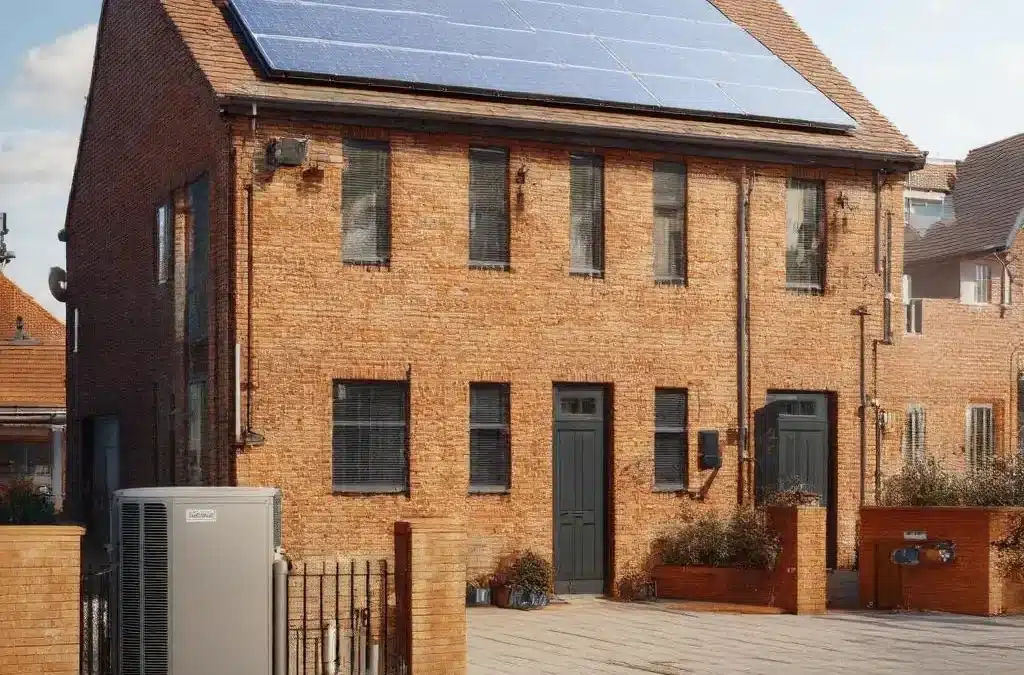
The 2026 federal budget discussion has placed sustainable heating and the expansion of heat networks under intense scrutiny. Headlines about potential cuts have fuelled uncertainty among homeowners, landlords, and businesses planning to switch to low‑carbon systems. However, closer examination of the draft allocations and official briefings indicates that funding for ecological heating technologies will continue, albeit with a stronger focus on prioritisation, co‑financing, and measurable energy savings.
Three overarching trends are shaping the final design of support in 2026:
- Continuity with tighter targeting: Grants for efficient individual systems (for example, heat pumps) and for district heating connections remain in place, but eligibility criteria are being refined to deliver greater carbon reductions per euro spent.
- Network-first planning: Municipal heat planning and the decarbonisation and expansion of heat networks retain political priority, guiding property owners on whether a building is better served by a network connection or an on‑site solution.
- Blended finance: Direct grants are increasingly complemented by low‑interest loans, bonus components for lower-income households, and performance-based incentives for larger commercial projects.
In short, the debate is less about withdrawing support and more about steering scarce public funds toward the most impactful and ready-to-deliver projects.
Funding that remains available: what households and businesses can expect
While final line items are subject to parliamentary approval, the following support avenues are expected to remain relevant in 2026. The precise names and parameters of programmes may evolve, but their intent and mechanisms are consistent with current policy direction.
For private households
- Heat pump installations: Grants for replacing fossil fuel boilers with high-efficiency electric heat pumps (air, ground, or water) continue, with higher support where the building meets basic efficiency standards or where low‑income criteria apply.
- Hybrid and system optimisation: Funding for system integration (buffer tanks, smart controls, hydraulic balancing) and, in specific cases, hybrid configurations where they materially improve efficiency and enable phased decarbonisation.
- District heating connections: Support for connection fees and house transfer stations when a property lies within a designated heat network expansion area.
- Solar thermal and complementary measures: Targeted contributions for solar thermal collectors where they meaningfully reduce backup heat demand, often as part of a package with a heat pump.
- Building-envelope synergies: Although not “heating” per se, insulation, window upgrades, and airtightness measures frequently unlock higher grant rates for heating systems by improving overall performance.
For businesses and non-residential property owners
- Efficient heating and process heat: Grants and favourable loans for high‑temperature heat pumps, waste heat recovery, and electrification of process heat where feasible.
- Heat network participation: Support for connecting commercial buildings to efficient district or local heating systems where municipal plans prioritise network solutions.
- Flexibility and controls: Incentives for digital heat management, smart metering, and demand-side flexibility that reduce peak loads and operating costs.
- Planning and engineering support: Subsidised feasibility studies and energy audits to de‑risk complex retrofits and multi-site portfolios.
Cross-cutting features to expect
- Bonus components for replacing particularly inefficient fossil systems, for early movers, or for low‑income households and social infrastructure.
- Caps and co-funding requirements that encourage leveraging private capital while keeping upfront costs manageable.
- Streamlined application portals and clearer sequencing rules so applicants can plan surveys, approvals, and installation without losing eligibility.
Likely impacts on households and companies: costs, certainty, and compliance
For homeowners and landlords
- Improved planning certainty: Municipal heat plans will increasingly signal whether a building will be served by a district heating zone or should invest in an individual solution such as a heat pump. This reduces the risk of stranded investments and helps time the switch to coincide with network build‑out or grant windows.
- Lower total cost of ownership: Even with tighter budgets, a combination of grants, energy bill savings, and reduced maintenance typically shortens payback periods—especially in well‑insulated homes or where electricity tariffs incentivise heat pump use.
- Property value and EPC uplift: Upgraded heating and envelope measures can improve energy performance ratings, supporting higher tenancy demand and long‑term asset value.
- Compliance readiness: Anticipated tightening of building standards and carbon pricing on fossil fuels means early adopters are less exposed to regulatory and operating cost risks.
For businesses and public-sector operators
- Capex support with performance conditions: Greater emphasis on measurable carbon reduction and on aligning projects with municipal heat planning will reward well‑designed proposals over purely like‑for‑like boiler swaps.
- Operating cost resilience: Electrified heat and network supply reduce exposure to volatile fossil prices and carbon cost pass‑throughs, improving budget predictability.
- ESG and reporting benefits: Demonstrable decarbonisation of buildings and processes supports sustainability disclosures and can improve access to green finance.
- Portfolio optimisation: Portfolio-wide audits and staged roll‑outs, supported by planning grants and technical assistance, enable companies to capture economies of scale and standardise technologies.
How to prepare and secure support: a practical roadmap for 2025–2026
1) Check your heat planning context
- Ask your municipality or consult published maps to determine whether your property lies in a planned district heating area or is recommended for individual solutions.
- If network supply is planned within a few years, explore interim efficiency measures and plan for a connection with available support.
2) Commission a professional survey early
- A comprehensive site survey (heat load, fabric performance, hydraulic layout, electrical capacity) is often a prerequisite for funding and ensures accurate system sizing.
- For non-residential sites, include operational profiles and process heat demands to identify high-impact electrification opportunities.
3) Optimise the measure bundle
- Pair the heating upgrade with “no regrets” envelope improvements or system optimisation to meet eligibility thresholds and maximise grant intensity.
- Consider smart controls, weather compensation, and hydraulic balancing to unlock performance bonuses and lower running costs.
4) Prepare documentation and timing
- Gather ownership documents, energy bills, existing system specifications, and any prior energy audits. In many programmes, approval must be obtained before contract signature or installation begins.
- Align works with application windows and, where relevant, grid connection or heat network timelines.
5) Choose accredited partners
- Select certified installers and engineering partners with proven experience in heat pumps, heat networks, and grant procedures. This reduces administrative friction and installation risk.
- Request a detailed, fixed‑scope proposal that outlines expected performance (SCOP), integration works, and commissioning, along with the grant pathway and expected net costs.
6) Leverage blended finance
- Combine direct grants with low-interest loans where available to smooth cash flow.
- For larger sites, explore performance guarantees, energy‑as‑a‑service models, or utility contributions that align incentives and reduce upfront expenditure.
Key takeaways and next steps
- Despite political debate, funding for climate‑friendly heating and heat network expansion is set to continue in 2026, with a stronger emphasis on impact, planning alignment, and co‑financing.
- Households can still access meaningful support for heat pumps, system optimisation, and district heating connections, particularly when projects are paired with efficiency improvements.
- Businesses will benefit from structured, performance‑oriented programmes that favour robust designs, portfolio planning, and integration with municipal heat strategies.
- Early preparation—verifying local heat plans, commissioning a professional survey, and selecting accredited installers—will be the difference between a smooth, subsidised upgrade and a missed opportunity.
If you are considering an upgrade, request a tailored proposal based on a complimentary survey and a clear grant pathway. A qualified, sustainability‑focused installer can guide you through eligibility checks, assemble the application, and deliver a seamless installation that reduces emissions, improves comfort, and protects you against rising energy costs.
